Tel: +86-18929108896 Email: solomon@sum-ho.com
- All
- Product Name
- Product Keyword
- Product Model
- Product Summary
- Product Description
- Multi Field Search


Views: 0 Author: Site Editor Publish Time: 2026-06-28 Origin: Site


The bike still runs, but the clutch no longer feels normal. That is usually when a rider starts wondering whether a motorcycle clutch cable is bad or simply needs a small adjustment. In most cases, a failing cable does not break without warning. It usually shows early signs through stiffness, drag, extra play, or uneven engagement long before complete failure happens. At Dong Guan SumHo Control Cable Co., Ltd., known as SUMHO CONTROLCABLE, this is treated as a real control issue because clutch cable feel directly affects rider confidence, shift quality, and maintenance timing.
A bad clutch cable often shows itself through feel before anything looks obviously wrong. The lever may become heavier than usual, then strangely loose, or inconsistent from one ride to the next. Some riders notice a rough or sticky pull. Others feel hesitation during movement or a friction zone that no longer stays in the same place.
That change in feel matters because a healthy cable should be predictable every time the lever is pulled. Once the lever starts feeling rough, vague, or unstable, the cable is often no longer moving smoothly inside the housing. Riders sometimes adapt to the problem by pulling harder or releasing more carefully, but that only delays inspection. If the feel has changed enough to be noticed regularly, the cable is already giving useful warning signs.
Another sign is sudden inconsistency. The clutch may feel acceptable on one ride and noticeably worse on the next. That kind of unstable behavior often means the cable is beginning to wear unevenly or the inner wire is developing drag. Even before visible damage appears, the lever usually tells the rider that something is starting to go wrong.
A quick inspection often confirms what the lever already suggests. Start by checking for fraying, especially near the lever end and the clutch release end. These are the areas where bending and repeated stress are highest, so damage often begins there. Even slight fraying should be taken seriously because once strands start separating, failure risk rises quickly.
The outer housing should also be checked for cracks, flattening, rubbing marks, or hardened sections. Rust near exposed ends is another clear warning sign. Sometimes the outer housing still looks acceptable while the inner wire is already suffering from corrosion or drag, which is why feel and appearance should always be considered together.
Worn cable ends also matter. If the cable no longer sits properly at the perch or shows unusual wear marks, the problem may be more than simple dryness or adjustment drift. A clutch cable works best when the whole path supports smooth and even movement. If one section is damaged or stressed, the problem often affects the rest of the control feel as well.
Symptom | Likely cable issue | Urgency | Recommended action |
Stiff or sticky lever | Internal drag, dirt, or corrosion | Medium to high | Inspect, lubricate if sound, replace if damaged |
Sudden extra free play | Stretch, worn end, or failing strands | High | Check both ends and cable condition |
Fraying near the ends | Structural wear and rising failure risk | High | Replace the cable |
Cracked or worn housing | Contamination, heat, or route damage | High | Replace and inspect routing |
Inconsistent engagement point | Uneven cable movement or tension change | Medium to high | Inspect and adjust or replace if worn |
Rough lever return | Drag, dry movement, or route stress | Medium | Inspect full cable path |
A clutch cable problem does not stay limited to the lever. Riders feel it in shifting, stop-start riding, and overall control. If the cable no longer moves smoothly, the clutch may not disengage or engage in a stable way. That can make starts feel awkward, low-speed riding more tiring, and gear changes less clean.
In traffic, this becomes more obvious. A cable that drags or changes tension from one pull to the next makes the rider work harder to judge takeoff and timing. The motorcycle still runs, but it no longer feels easy to trust. That loss of confidence is often one of the clearest practical signs that the cable needs attention.
The same issue can show up when selecting neutral, moving away from a stop, or shifting repeatedly during city riding. A bad cable does not always cause dramatic failure at first, but it can make the bike feel less smooth and less cooperative. Over time, that affects comfort as much as control.
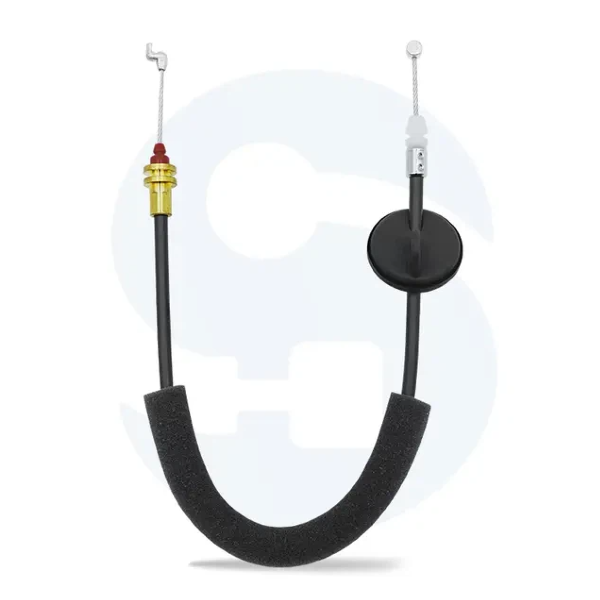
A simple home check can reveal a lot without turning into a full repair session. Start with a visual inspection of the exposed cable ends, lever perch area, and visible housing. Look for fraying, rust, cracks, or wear marks. Then pull the lever several times and pay attention to whether the movement stays smooth and consistent.
Next, check the full movement of the system. The clutch should engage and disengage in a predictable way. If the lever feel changes during repeated pulls, the cable may not be moving evenly. After that, inspect the cable route for tight bends, rubbing points, or sections that look pinched or stressed.
This short check helps separate minor service needs from obvious replacement signs. A cable that looks acceptable but feels rough still deserves attention. In many cases, the feel of the cable reveals the problem earlier than visible damage does.
Sometimes yes, but only if the cable is still structurally sound. If the problem is mainly dryness, light contamination, or a small change in free play, lubrication or adjustment may improve the feel. That is why these are reasonable first steps when there is no visible damage.
But they are not solutions for fraying, cracked housing, serious corrosion, or damaged ends. In those cases, a temporary improvement only hides a deeper problem for a short time. Riders should not use lubrication as a way to postpone action on a cable that is already weakening.
The important question is not just whether the lever feels slightly better after service. The real question is whether the cable can still be trusted in continued use. If the answer is uncertain, replacement usually becomes the safer choice.
Replacement is the better choice when the cable shows visible wear, feels repeatedly inconsistent, or no longer responds well to normal service. Fraying is the clearest example. Once strands separate, the cable is already partway through failure. The same is true for cracked housing, obvious corrosion, or cable ends that no longer seat correctly.
Replacement also makes more sense when downtime matters. If the motorcycle is used for commuting, regular work, or longer trips, a cable that is already showing warning signs is not worth gambling on. A good replacement improves not only reliability, but also clutch feel and consistency from day one.
This is where product quality becomes part of the decision. SUMHO CONTROLCABLE develops clutch, throttle, and brake cable products for motorcycle and broader mechanical applications with a focus on smooth operation, durable construction, and stable long-term performance. A smoother and better-built replacement cable reduces repeated adjustment issues and helps the rider get back to more predictable control.
A bad clutch cable usually gives warning signs before it fails completely. The clues are there in lever feel, shifting behavior, and visible wear if the rider knows where to look. Once those signs become clear, the goal is not to hope the problem stays small, but to decide whether service is enough or replacement is the safer choice. A dependable motorcycle clutch cable should deliver smooth movement, stable engagement, and durability in real use. SUMHO CONTROLCABLE develops control cable systems with those priorities in mind for motorcycle applications and related equipment. If you are evaluating replacement options or looking for product solutions for your market, contact us.
The first sign is often a change in lever feel. It may become stiffer, rougher, looser, or less consistent before major visible damage appears.
Yes. The motorcycle may still run and shift, but the clutch can feel less predictable, especially during starts, traffic riding, or repeated gear changes.
Lubrication may help when the cable is dry or slightly out of adjustment. Replacement is better when there is fraying, cracked housing, corrosion, or repeated rough movement.
Start with the lever end, the clutch release end, and any visible housing sections. These areas often show fraying, rust, cracks, or worn fittings first.
