Tel: +86-18929108896 Email: solomon@sum-ho.com
- All
- Product Name
- Product Keyword
- Product Model
- Product Summary
- Product Description
- Multi Field Search


Views: 0 Author: Site Editor Publish Time: 2026-07-02 Origin: Site


Riders usually ask a simple question when the clutch starts to feel different: how long does a clutch cable last on a motorcycle? The honest answer is that there is no single mileage or time limit that fits every bike. A clutch cable can last for years when it is well made, properly routed, and checked regularly, but it can wear out much sooner under hard use, poor maintenance, or harsh weather. At Dong Guan SumHo Control Cable Co., Ltd., known as SUMHO CONTROLCABLE, this is how cable life is viewed in practical terms: not as a fixed promise, but as the result of product quality, use conditions, installation, and inspection.
When riders ask how long a clutch cable should last, they are usually asking whether the current cable is still dependable or already close to the end. That is why a fixed number rarely gives a useful answer. One motorcycle may go through cables faster because it is used every day in traffic. Another may keep the same cable much longer because it is ridden less often, stored better, and maintained more carefully.
Motorcycle type also changes the answer. A commuter bike, a touring bike, and a heavily used urban motorcycle do not place the same load on the clutch system. Some riders work the lever constantly in stop-and-go traffic. Others ride long stretches with far fewer clutch inputs. That difference matters because the cable wears through repeated movement, not through age alone.
The environment matters as well. Humidity, dirt, water exposure, and poor storage all affect internal friction and corrosion risk. A bike kept in clean, dry conditions will not age its cable the same way a bike stored outside or ridden in mixed weather will. This is why clutch cable life is always condition-based.
A clutch cable does not wear out randomly. Its service life is shaped by use frequency, clutch load, maintenance, routing, and exposure to contamination. Once riders understand those factors, replacement timing becomes easier to judge.
Use pattern is one of the biggest influences on cable life. A motorcycle used for daily commuting in heavy traffic cycles the clutch far more often than a bike used mainly for weekend rides. More clutch use means more flexing, more tension, and more wear at the same working points.
Hard use shortens service life faster. Repeated stop-and-go riding, aggressive clutch use, and long-distance riding under constant operation all increase strain. On the other hand, smoother clutch use and lighter riding patterns often let a good cable last much longer.
That is why mileage alone can be misleading. Two motorcycles with similar distance covered may have very different clutch cable condition depending on how that distance was ridden.
Maintenance and environment are just as important as riding style. A cable that stays clean, properly routed, and protected from corrosion will usually last longer. A cable that becomes dry, contaminated, or stressed by tight bends will wear earlier.
Lubrication helps reduce internal friction. Correct adjustment also matters because a cable forced to work under poor free play settings can wear faster. Routing is equally important. Tight bends, rubbing points, and awkward cable paths create constant stress that shortens service life even if the cable material itself is good.
Weather exposure adds another risk. Moisture, road grime, dust, and storage in humid conditions all increase corrosion and internal drag. Over time, these conditions can turn a cable that still looks acceptable on the outside into one that is already wearing out inside.
Factor | Helps cable last longer | Shortens service life | What to inspect |
Riding frequency | Moderate, steady use | Daily heavy stop-and-go riding | Lever feel and free play |
Riding style | Smooth clutch operation | Hard or aggressive use | Engagement consistency |
Lubrication | Smooth internal movement | Dry cable with increasing drag | Cable action |
Routing | Natural path with gentle bends | Tight bends, rubbing, pinch points | Full cable path |
Weather and storage | Dry storage and regular cleaning | Water, dirt, humidity | Housing condition |
Product quality | Durable materials and stable construction | Weak fit or poor protection | Fraying, stiffness, early stretch |
Product quality also matters more than many buyers expect. A cable made with stable construction, accurate fittings, and durable materials has a better chance of staying smooth and reliable in long-term use. That is why SUMHO CONTROLCABLE focuses on cable systems designed for repeated motion and demanding environments.
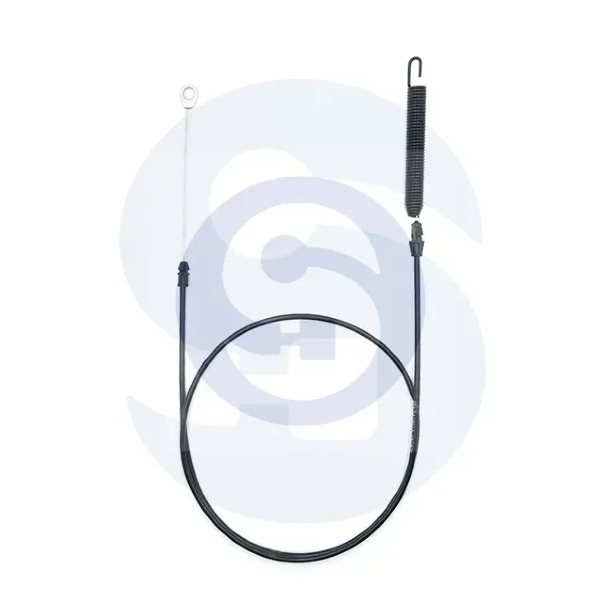
Because there is no universal replacement date, regular inspection is the smarter approach. A useful habit is to check the cable during normal service, before long rides, after long storage, and any time lever feel changes.
The check does not need to be complicated. Riders should look for smooth lever movement, stable clutch engagement, and visible signs of wear at the cable ends and housing. If the motorcycle has been used in wet or dusty conditions, inspection becomes even more important because contamination can build up quickly.
This approach is more practical than relying on age alone. A cable may still be healthy after years of use if its condition remains good. Another may need replacement much sooner because its working conditions have been harsher.
A clutch cable usually gives warning signs before it fails completely. The key is recognizing when old but still usable becomes replace now.
Fraying is one of the clearest signs. Once strands begin to separate, the cable is already weakening, and the risk of sudden failure rises. Stiffness is another common clue. If the lever feels heavier than before and no other part explains the change, the cable may be developing internal drag from corrosion or wear.
Changes in tension also matter. If free play keeps drifting or the clutch engagement point starts feeling inconsistent, the cable may no longer be moving evenly. Visible housing damage is another warning sign. Cracks, flattening, or rubbing marks suggest that the cable has been working under poor conditions for some time.
At that stage, the question is no longer how much longer it might survive. The real question is whether it is still worth trusting.
This is where the lifespan question becomes practical. If a cable is still working but clearly aging, should the rider replace it now or keep using it and carry a spare?
For local riding, some owners may choose to monitor it closely and keep a spare ready. That can be reasonable when warning signs are mild and inspection is frequent. But for long trips, demanding commuting, remote travel, or heavy all-weather use, early replacement is usually the better choice. A worn cable rarely fails at a convenient time.
Replacing early also makes sense from a maintenance and business point of view. The cost of a quality cable is usually small compared with the inconvenience of failure or roadside repair. A spare is useful, but a dependable installed cable is better.
This is also where replacement quality becomes important. A new cable should not only fit. It should deliver stable movement, reliable control feel, and service life suited to repeated use. SUMHO CONTROLCABLE manufactures cable systems for motorcycle and industrial applications where durability, smooth operation, and fit accuracy are essential to long-term performance.
The best answer to the lifespan question is simple: clutch cable life is less about guessing a date and more about reading condition, use, and risk. A good cable can last for years, but riding style, maintenance, routing, weather exposure, and product quality all change the outcome. That is why riders should inspect regularly, act early when warning signs appear, and treat replacement as a control decision rather than a waiting game. At Dong Guan SumHo Control Cable Co., Ltd., known as SUMHO CONTROLCABLE, this practical view supports the development of durable cable systems for real motorcycle use. If you are evaluating replacement timing or looking for a more dependable motorcycle clutch cable solution for your market, contact us.
A quality clutch cable can often last for years, but the real lifespan depends on riding conditions, maintenance, routing, and storage.
Heavy stop-and-go riding, poor routing, lack of lubrication, moisture, dirt, and ignored warning signs are some of the biggest causes of early wear.
Common warning signs include fraying, a stiff or rough lever feel, visible housing wear, shifting free play, and inconsistent clutch engagement.
For demanding riding or long trips, early replacement is often the safer choice. A spare helps, but it does not prevent the risk and inconvenience of failure while riding.
