Tel: +86-18929108896 Email: solomon@sum-ho.com
- All
- Product Name
- Product Keyword
- Product Model
- Product Summary
- Product Description
- Multi Field Search


Views: 0 Author: Site Editor Publish Time: 2026-08-31 Origin: Site


Modern vehicle tailgates demand precise, repeatable force transfer to handle heavy loads safely. This holds especially true for systems featuring automated open and close functionalities. Simple mechanical linkages are no longer sufficient for today's complex automotive designs. Inconsistent tension, gradual friction buildup, or sudden material fatigue disrupt these essential mechanisms easily. Such hidden issues often lead to sluggish operation, severe user safety hazards, or even complete system failure. A compromised lifting mechanism puts operators at risk directly. It also threatens overall vehicle integrity over time. Understanding the underlying physics and stringent engineering standards of an automotive tailgate control cable is critical. This specialized knowledge helps you evaluate reliable OEM replacements confidently. You can also upgrade seamlessly to power systems or select a highly competent manufacturing supplier. Making an informed component choice ultimately ensures long-lasting safety and peak mechanical performance.
Push-pull mechanics form the absolute foundation of flexible control linkages. The inner core acts continuously under high tension. It pulls directly to unlatch or lift heavy automotive components. Conversely, the outer housing operates entirely under compression. It remains completely stationary during every actuation cycle. This dual-action design routes kinetic energy safely around strict vehicle structural constraints. Engineers rely on this delicate physical balance to bypass internal chassis obstructions efficiently. You simply cannot achieve reliable tailgate operation without this fundamental push-pull dynamic.
We must also examine tension versus maximum load capacity closely. Component diameter directly dictates the maximum safe working load. Strand configuration plays a vital role in force distribution too. A 1x19 strand arrangement offers immense rigidity for straight linear pulls. However, a 7x19 strand configuration provides superior flexibility for navigating tight routing bends. Exceeding the designed load limit always causes permanent wire elongation. Stretching compromises the precise calibration required for modern automotive latches. Once stretched, the core fails to deliver the necessary travel distance reliably.
Modern engineering heavily utilizes sophisticated split cable drives. Heavy tailgates pose significant warping risks during automated lifting sequences. Split-cable mechanisms solve this complex physical challenge brilliantly. They distribute the lifting force evenly across both sides of the frame. Dual mechanisms synchronize the upward pull simultaneously. This precise synchronization prevents the tailgate frame from twisting out of alignment. Such engineering precision is vital for maintaining tight weather seals. We see this exact technology standardized across luxury SUVs and heavy-duty commercial trucks.
Automakers utilize two primary system architectures for rear panel operation. Each architecture presents unique engineering challenges. We must analyze both systems to understand modern component demands fully.
Traditional mechanical latches depend entirely on direct user-generated force. You pull a handle to transfer kinetic energy physically. This energy travels straight through the inner wire to the lock mechanism. These designs are inherently simpler to manufacture and install. However, they rely heavily on low-friction routing paths. Any internal binding immediately degrades the overall user experience. You will feel abnormal mechanical resistance directly through the exterior handle.
Motorized assist integration changes the entire operational paradigm entirely. An Electric Tailgate Control Cable connects directly to a power strut. Sometimes, engineers link it to a concealed winch motor instead. These compact actuators generate massive, sustained rotational torque. The flexible linkage must handle this continuous robotic force safely. High-cycle motorized actuation demands significantly stronger internal metal strands.
Complex system handshakes define these modern automated setups. The vehicle electronic control unit (ECU) manages the entire lifting sequence. You press a button on your wireless key fob. The ECU signals the motorized actuator almost instantly. Next, the actuator pulls the physical wire precisely. This action releases the latch or initiates the heavy lift mechanism. Precise mechanical timing is absolutely critical here. A lagging wire will trigger ECU fault codes immediately.
Consider the unique risk profile of fully automated systems. Electric systems undeniably offer incredible daily user convenience. However, they introduce new electrical fault risks into the vehicle ecosystem. Constant motor torque also accelerates cyclic fatigue endurance limits rapidly. Components wear out much faster under automated, repetitive stress.
| System Characteristic | Traditional Mechanical Systems | Motorized Assist Systems |
|---|---|---|
| Primary Force Generator | Human operator input | High-torque electric motors |
| Component Fatigue Rate | Low to moderate | Extremely high |
| System Complexity | Simple mechanical linkages | Complex ECU integration |
| Friction Sensitivity | Noticed immediately by user | Detected by ECU sensors (triggers faults) |
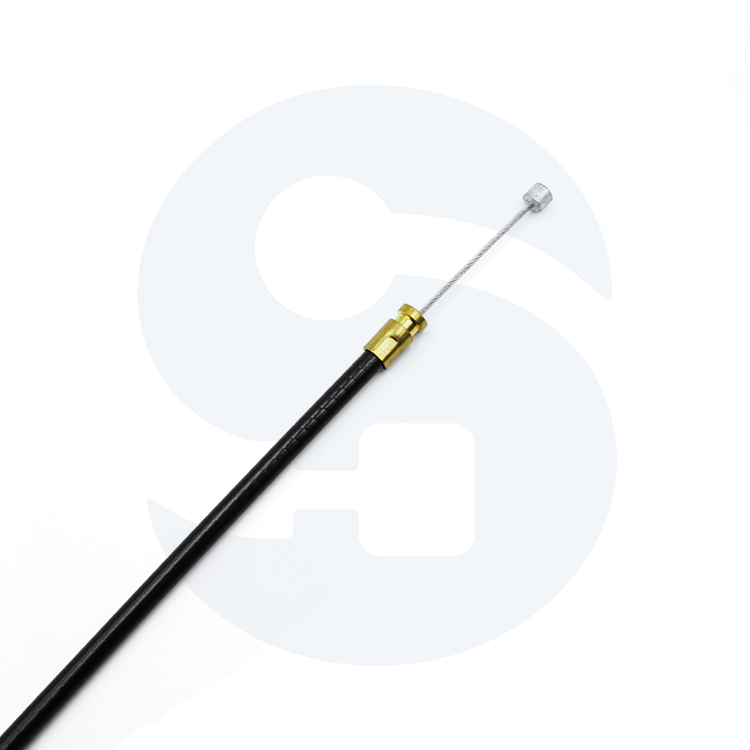
Inner wire construction defines the core tensile strength of the system. Manufacturers specify premium stainless steel for high-end automotive applications. Galvanized braided strands offer a cost-effective alternative for budget models. Both materials provide essential corrosion resistance against harsh outdoor elements. The specific braiding technique determines the ultimate flexibility of the core. A strong central core prevents catastrophic snapping under heavy payload stress.
The outer conduit acts as a highly protective structural shield. It features specialized spiral or longitudinal structural wire wrapping. This metal wrapping prevents the housing from collapsing under intense compression. Polymer jacketing surrounds this internal metal layer completely. The plastic jacket effectively blocks harsh environmental ingress from all sides. It keeps destructive moisture and abrasive road dust outside the mechanism.
Friction reduction always stands as a primary automotive engineering goal. Internal Teflon (PTFE) linings serve this exact operational purpose. Some specialized designs utilize lifetime pre-lubrication compounds instead. These liners act as a primary defense against dangerous binding. They stabilize performance dramatically during extreme seasonal temperature fluctuations. Cold weather causes metal automotive components to contract slightly. PTFE liners ensure smooth core sliding despite these inevitable thermal changes.
End fittings require intense manufacturing precision to function properly. We commonly see swaged or die-cast zinc ends on modern vehicles. Clevises, ball ends, and eyelets serve very different attachment needs. Engineers design these critical terminations to prevent sudden pull-out failures. Sudden load spikes occur if a tailgate drops unexpectedly during operation. Weak end fittings will shear instantly during these violent mechanical events. A robust Automotive Cable Assembly guarantees secure attachment points under maximum stress.
Every mechanical component faces intense operational stressors over its lifespan. Understanding these destructive physical forces helps you predict premature system wear.
Internal friction and routing strain degrade components silently over time. Tight bend radii inside complex vehicle panels are particularly damaging. They force the inner wire heavily against the outer conduit wall. This concentrated pressure increases internal friction exponentially during every use. The internal PTFE liner eventually wears completely through at these specific pinch points. Once bare metal rubs against bare metal, physical destruction accelerates rapidly.
Environmental degradation introduces aggressive chemical attacks to the mechanism. Winter road salt acts as a highly corrosive chemical agent. Moisture penetration rusts the internal galvanized strands aggressively. Freezing temperatures cause trapped internal condensation to turn into solid ice. Icing inside the protective conduit freezes the inner core completely solid. Forcing a frozen mechanism manually will stretch the inner strands permanently.
Evaluating failure symptoms prevents catastrophic lockouts or dangerous panel drops. You should pay close attention to these common mechanical warning signs.
| Symptom Observed | Probable Root Cause | Recommended Action |
|---|---|---|
| Sluggish motorized lifting | High internal friction or icing | Inspect outer jacket for breaches; test in warm environment. |
| Actuator whines, tailgate stuck | Severed inner core | Replace complete assembly immediately. |
| Intermittent latch release | Core elongation beyond tolerances | Verify actuator stroke length; replace stretched unit. |
| Corrosion around end fittings | Galvanic reaction or salt exposure | Clean terminals; replace if structural integrity is compromised. |
Selecting a reliable manufacturing partner requires strict technical due diligence. Poor component choices lead to dangerous accidents and expensive vehicle recalls. You must evaluate potential suppliers using rigid automotive industry standards.
Strict adherence to OEM tolerances is entirely non-negotiable in automotive manufacturing. Aftermarket suppliers sometimes alter original length specifications to cut production costs. Even a two-millimeter dimensional difference alters the actuation timing drastically. Incorrect load specifications cause the mechanical system to fail under sudden stress. You must demand exact dimensional matching for safe and predictable tailgate operation.
Testing and compliance standards separate reliable tier-one suppliers from inferior ones. Always request specific laboratory validation data before finalizing any purchasing decisions. Look carefully for minimum lifecycle testing exceeding 50,000 continuous operation cycles. Demand comprehensive salt spray corrosion testing results for all exposed metal parts. Review their tensile pull-testing methodology carefully to ensure data accuracy. A trustworthy automotive manufacturer always provides these detailed reports transparently.
Follow this actionable engineering checklist for shortlisting specialized replacement components. These sequential steps help you match parts to specific vehicle payload requirements effectively.
Reliable force transfer demands a delicate and precise engineering balance. It successfully combines advanced material science with highly optimized routing paths. Robust, pull-resistant end fittings complete this highly complex automotive mechanical equation.
Prioritizing well-engineered parts mitigates severe user safety risks immediately. It also reduces frustrating and expensive maintenance downtime significantly. This absolute truth applies whether you maintain a manual drop-gate or specify upgraded parts for motorized liftgates.
Always consult your vehicle structural specifications thoroughly before buying any replacements. Contact a specialized automotive parts engineer for complex power system upgrades. Review comprehensive supplier capability data aggressively to ensure long-term mechanical reliability.
A: A high-quality component typically lasts between 50,000 and 70,000 actuation cycles. However, environmental factors heavily influence this projected lifespan. Frequent exposure to harsh road salt, extreme cold, or heavy abrasive dust accelerates internal wear. Vehicles parked regularly in climate-controlled garages experience significantly longer component life. You should inspect the entire system annually for early signs of physical degradation.
A: Lubrication only provides a highly temporary short-term fix. A sticking sensation usually indicates severe internal metal strand degradation. It also suggests the internal PTFE friction liner is permanently torn. Spraying oil cannot repair broken metal strands or ripped plastic liners. Replacing the entire assembly is the only safe solution to prevent unexpected mechanical failure.
A: A standard version handles intermittent, human-generated pulling forces primarily. An electric variant withstands constant, high-torque robotic actuation. Motorized versions feature significantly higher cyclic endurance ratings. They also utilize specialized motor interface fittings instead of simple hand levers. Electric systems demand much tighter engineering tolerances to satisfy sensitive electronic control unit parameters.
A: You must measure two critical physical dimensions accurately. First, measure the overall length of the outer conduit from end to end. Second, measure the exact stroke length. The stroke is the precise distance the inner wire travels when fully actuated. Always measure these dimensions while the component lies completely flat and unstretched.
