Tel: +86-18929108896 Email: solomon@sum-ho.com
- All
- Product Name
- Product Keyword
- Product Model
- Product Summary
- Product Description
- Multi Field Search


Views: 0 Author: Site Editor Publish Time: 2026-07-12 Origin: Site


A clutch that feels heavier than usual, shifts less cleanly, or engages in a different place than before often points to one basic issue worth checking first: clutch cable adjustment. Riders sometimes assume the clutch itself has developed a bigger problem, but in many cases the first useful step is to inspect free play and lever feel. For motorcycle owners, repair shops, and aftermarket buyers, proper adjustment matters because it affects control, comfort, and shifting consistency. At Dong Guan SumHo Control Cable Co., Ltd., known as SUMHO CONTROLCABLE, motorcycle cable systems are developed for repeated use and demanding conditions, so correct adjustment is closely tied to how a cable performs in real riding.
A properly adjusted clutch feels predictable. The lever effort is comfortable, the friction zone is easier to recognize, and the bike shifts more cleanly. The rider should not feel that the clutch engages too suddenly or too late. Instead, the response should feel natural and repeatable from one ride to the next.
This is why adjustment is about more than hitting a number. Many motorcycles commonly use a clutch free play range of about 1/16 inch to 1/8 inch at the lever, but that figure only helps when the cable itself is moving smoothly. If the routing is poor or the cable is already wearing out, the setting may look reasonable while the clutch still feels wrong. The goal is not a random measurement alone. The goal is consistent clutch behavior.
A good cable also makes correct adjustment easier to maintain. When the cable assembly has stable construction and smooth internal movement, lever feel stays more reliable over time. That is why both setup and cable quality matter.
One common mistake is adjusting first and measuring later. That usually leads to overcorrection. Checking free play at the lever gives the rider a clear starting point and makes later adjustments more accurate.
Free play is the small amount of lever movement before the cable begins to pull the clutch mechanism. In practical use, it is the light initial travel you feel before real resistance begins. This small gap matters because it shows whether the clutch cable is too tight, too loose, or close to the right setting.
The check is simple. Move the clutch lever gently and focus on that first slight motion. Riders are not measuring the full lever travel. They are measuring the small amount of movement before the cable starts working. That small detail tells a lot about the current setup.
A clutch cable needs some free play to work properly. If there is almost none, the clutch may not fully engage. If there is too much, the clutch may not fully disengage when the lever is pulled. Both conditions affect how the bike feels on the road.
A cable that is too tight usually makes the clutch feel overly sensitive. The engagement point may come too early, and under load the bike may show signs of slipping. The lever can feel firm, but the real issue is that the clutch is not settling naturally.
A cable that is too loose creates a different problem. The rider pulls the lever farther than expected before the clutch begins to release properly. Shifting may feel less clean, and the friction zone may seem inconsistent or too far away. Starts can also feel less smooth because too much lever travel is being used up before the cable does its job.
Recognizing these symptoms makes adjustment easier. Instead of turning adjusters blindly, the rider can connect what the bike feels like to what the cable is probably doing.
Symptom | Cable too tight or too loose | What the rider notices | Next action |
Early engagement point | Too tight | Clutch begins to bite too soon | Add a little free play |
Late disengagement | Too loose | Lever travel feels wasted | Reduce excess slack |
Slipping under load | Too tight | Engine speed rises faster than drive feel | Recheck free play |
Hard shifting into gear | Too loose | Gears engage less cleanly | Adjust for better disengagement |
Inconsistent friction zone | Too tight or too loose | Engagement point feels unstable | Measure again and inspect cable |
Heavy or rough lever feel | Not only adjustment related | Lever does not move smoothly | Inspect routing and cable condition |
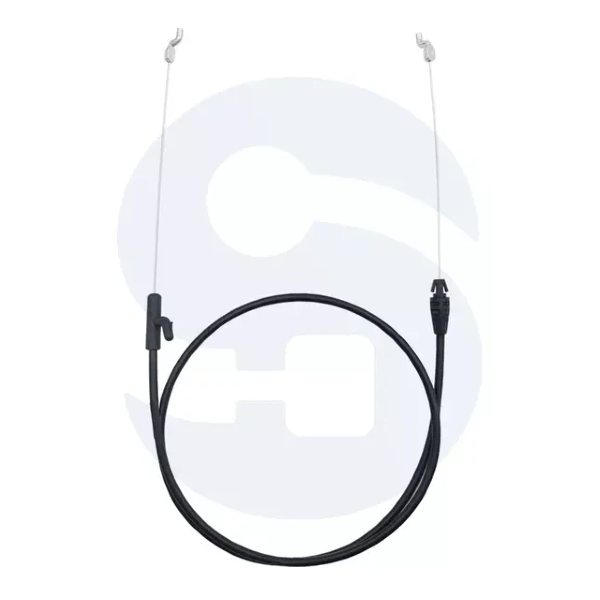
Adjustment works best when it is done in the right order. Small changes can often be made at the lever, while bigger corrections usually need to start lower in the system.
The upper adjuster near the lever is useful for small corrections. If free play has changed a little during normal use, this adjuster can bring the clutch back into a better range quickly. It is convenient and works well when the cable is still basically in good condition.
The key is to make small changes and recheck the feel. Riders sometimes confuse a tighter lever with a better adjustment, but that is not always true. What matters is whether the lever now has sensible free play and whether the friction zone feels more predictable.
For normal wear compensation, the upper adjuster is often enough. But if the clutch feel has changed a lot, or if a new cable has just been installed, a more complete adjustment usually needs to happen lower down.
The lower adjuster is where proper baseline setup often begins. This becomes especially important after cable replacement or a major change in slack. Setting the lower adjustment correctly gives the rider more useful adjustment range at the lever afterward.
A correct baseline improves long-term consistency. It keeps the system closer to its intended working position and prevents the common problem of using up all the adjustment range at the top too early. Once the lower setting is correct, the upper adjuster can be used for normal fine-tuning.
This is also where cable quality becomes more visible. A well-made cable with smooth internal travel, durable housing, and stable dimensions responds more predictably during adjustment. SUMHO CONTROLCABLE develops mechanical control cable systems for motorcycles and other applications where stable performance matters throughout the service life of the product, not just during installation.
Once adjustment is done, the result should be checked by feel and function. The lever should move smoothly and still have a small but clear amount of free play. The friction zone should feel predictable rather than moving around unexpectedly.
The next step is to judge shifting behavior. A properly adjusted clutch usually makes gear changes feel cleaner and reduces hesitation during engagement. A short low-speed test is often the best final check. The rider should confirm that takeoff feels smooth, the clutch releases consistently, and the bike behaves the same way after several pulls rather than only once.
A good adjustment should make the clutch feel natural. If the setting appears correct but the lever still feels rough, heavy, or inconsistent, the issue may be deeper than simple free play.
Adjustment is important, but it cannot solve every clutch problem. If the cable is rusted, beginning to fray, or moving through a damaged housing, turning the adjuster will not restore reliable long-term performance. It may improve the feel briefly, but the issue usually comes back.
Fraying is especially serious. Once the cable strands begin to separate, lever feel often becomes rougher and less stable, and the risk of failure increases. A frayed cable should not be treated as something to keep using until the next service cycle. It is a clear sign that replacement is needed.
The same is true for damaged housing. Cracks, hardening, or badly worn outer sections allow contamination in and increase drag. Poor routing can create similar problems. If the cable path includes sharp bends, pinch points, or heat exposure, the rider may keep chasing adjustment when the real problem lies elsewhere.
There are also cases where the cable is not the only issue. Worn clutch components inside the system can create symptoms that feel like poor adjustment. If the cable moves smoothly, the free play is correct, and the problem still remains, the clutch assembly itself may need inspection.
For riders and buyers alike, this distinction matters. Adjustment is the right first step, but it should not be expected to solve structural wear. A reliable replacement cable is sometimes the only practical fix.
Good clutch cable adjustment is about stable lever feel, predictable engagement, and cleaner shifting in real riding conditions. When the setting is right, the clutch feels consistent rather than vague or heavy. When repeated adjustment no longer restores that feel, the cause often points to wear, poor routing, or cable damage that should not be ignored. For motorcycle control systems, cable quality has a direct effect on how well adjustment works and how long it stays stable. SUMHO CONTROLCABLE supports these needs through the development and manufacturing of durable cable systems for demanding applications. If you are looking for a reliable motorcycle clutch cable solution for your market, contact us.
Many motorcycles commonly use around 1/16 inch to 1/8 inch of free play at the lever, but smooth lever feel and consistent clutch response matter just as much as the measurement itself.
It often makes the clutch engage too early and can lead to slipping or an overly sensitive feel, especially under load.
It usually causes late disengagement, vague response, and harder shifting because too much lever travel is lost before the cable starts pulling properly.
Replacement is the better option when the cable is frayed, rusted, rough in movement, damaged in the housing, or no longer responds consistently after correct adjustment.
